What it left behind
Legacy
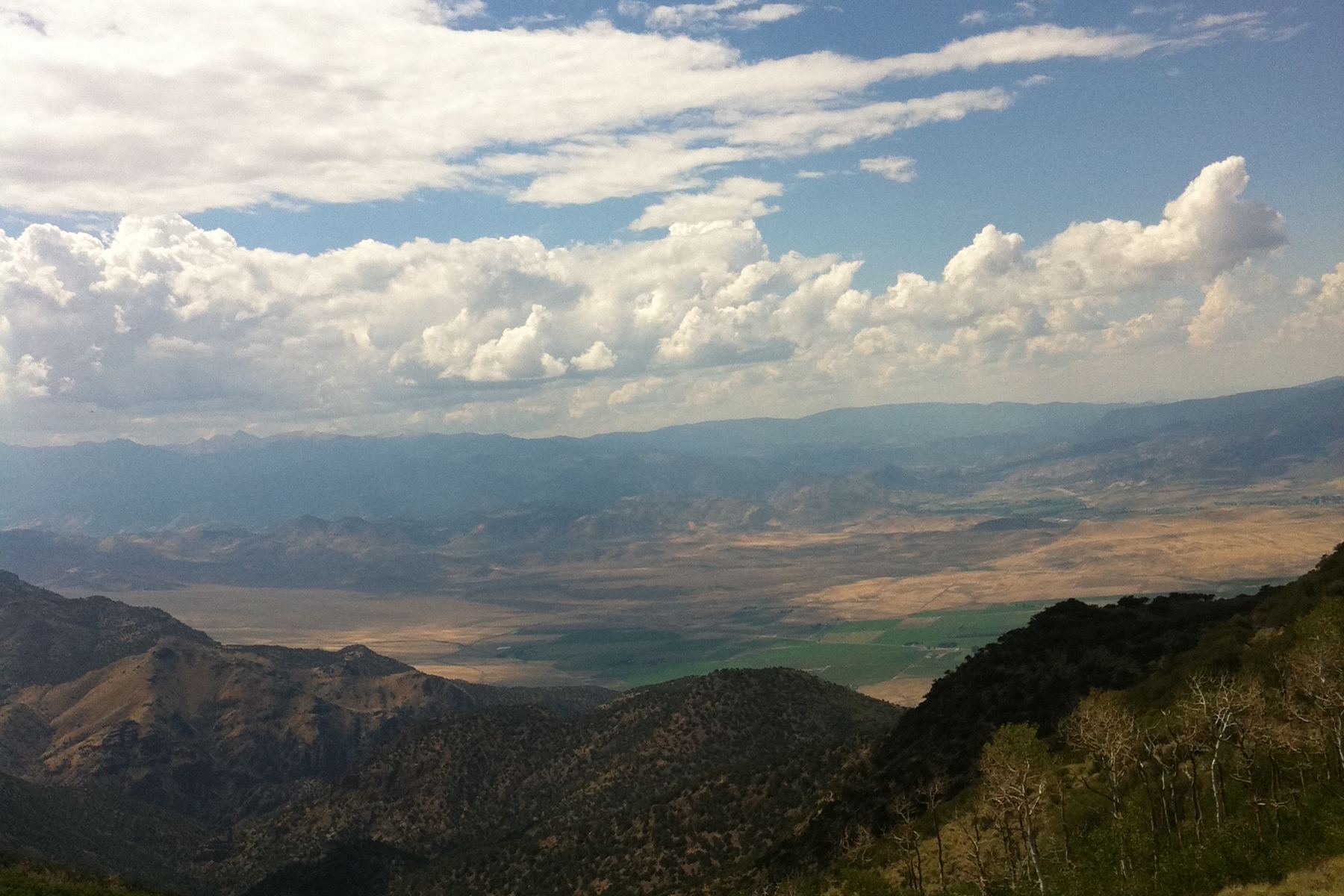
The plant
The 270-megawatt coal-fired plant proposed for Sigurd was never built. It is classified in energy databases as a cancelled power station.
The valley
The narrow valley did get a large energy project, roughly a decade later and of a different kind. It came before the Sevier County Planning Commission in July 2015, when Community Energy Solar presented a proposal for an 80-megawatt solar plant on about 600 acres, and again that October for preliminary approval of the planned unit development. SCCAW noted it on its own website at the time.
Sigurd Solar began commercial operation on May 1, 2021. Community Energy developed it; D. E. Shaw Renewable Investments financed and owns it, selling the output to PacifiCorp under a 25-year power purchase agreement.
It sits about two miles west of the site proposed for the coal plant. Not the same ground, the same valley.
Rocky Mountain Power’s Sigurd to Red Butte No. 2 345-kilovolt transmission line received its federal record of decision in December 2012 and its certificate from the Utah Public Service Commission in March 2013.
The transmission capacity that made a merchant coal plant attractive in central Utah in 2003 is the same capacity now moving solar power. The argument the group made in 2004, that cleaner alternatives existed and should be considered before the state approved the dirtiest option available, was borne out on the ground within twenty years.
The law
Four Utah Supreme Court decisions came out of this fight.
2006 UT 74 broadened standing for environmental organizations in Utah administrative proceedings. Without it, the Sierra Club would have had no seat at the table and the 2009 ruling would not exist.
2008 UT 72, Sevier Power Co. v. Hansen, struck down the section of Utah’s Election Code that barred citizens from bringing initiatives on land use questions. The company had sued to keep Proposition One off the ballot and won in district court. The Supreme Court reversed and, in doing so, restored a tool for every community in the state.
2009 UT 76 established that a Best Available Control Technology analysis in Utah has to actually consider available cleaner technology, including IGCC, rather than treating the applicant’s proposed design as the starting and ending point.
2009 UT 77, Kennon, established that Utah’s PSD enforcement rule must be read to serve the goals of the federal Clean Air Act, that the state cannot grant open-ended permit extensions without setting a new construction deadline, and that a required technical review must be documented on substantial evidence.
Together the two 2009 rulings raised the standard for coal permitting in Utah at the exact moment the national coal build-out was cresting. Dozens of proposed coal plants across the country failed between 2007 and 2012. This one failed in a way that left published law behind.
The county
The change people in the county actually noticed was procedural.
“We stood up to the County Commissioners to challenge things we don’t like,” Kennon said in December 2009, “and that had never happened before.” The commissioners responded by putting fifteen minutes of public comment on every meeting agenda. County records from December 2010 show the item in place: open time for public comment, fifteen minutes.
It did not last. Sevier County Commission agendas from 2019 onward carry no public comment period. The habit the campaign created outlived the plant by about a decade, and then it went away.
What remains is Proposition One, still in the county’s zoning ordinance as passed on November 4, 2008. Any conditional-use permit for a coal-fired power plant in Sevier County requires the approval of Sevier County voters.
What it took
Eight years. One statewide coalition assembled from nothing. More than 1,500 petition signatures gathered by hand in a county of about twenty thousand people. One countywide ballot measure that a power company sued to stop and the Utah Supreme Court reinstated. Two air permit appeals, one of them briefed and argued by two residents with no legal training.
And one Post-it note that the state could not explain.